
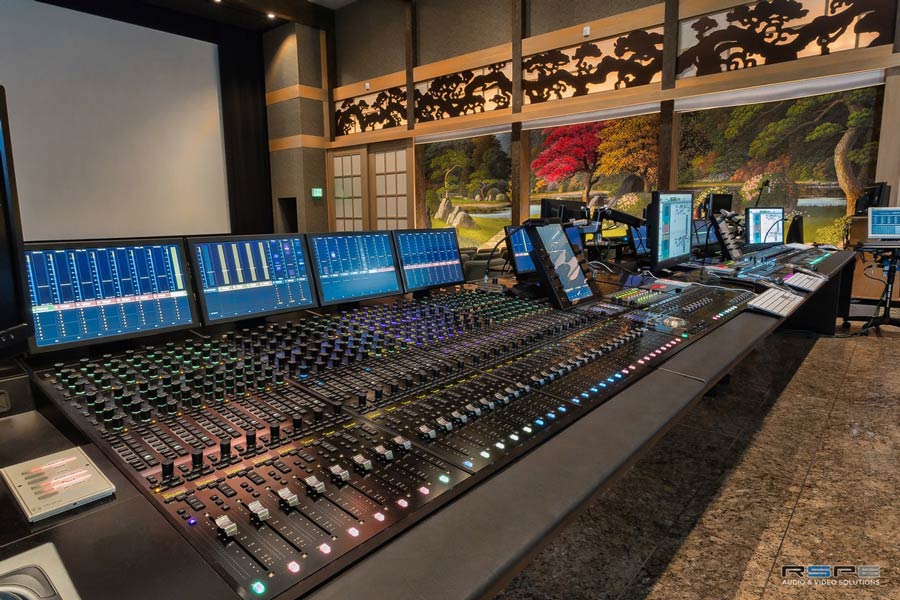
Understanding the Basics of Audio Mixing
The Role of Audio Mixing in Music Production
Music producers often outsource mixing and mastering to someone more experienced to achieve a good, overall, balanced sound that’s professional. Mixing and mastering play a huge role in getting the vibe and sounds you want out of your music. A good mix and master can make all the difference, leaving your track sounding much more polished and ready for distribution.
Key Concepts and Terminology in Audio Mixing
The idea of mixing is that each track will have its own space, or work in conjunction with another, to sound cohesive, as a final, single track. Mixing is much more creative than most people think, and although there are the technicalities of removing nasty resonances, providing vocal presence, and balancing – a lot of what a professional mix engineer will do is creative, and a lot of the sound + vibe of your favourite music is a result of a good mix engineer at work.
The mixing process differs from mastering, because it takes multiple tracks (20, or more), and gives the engineer individual control over each instrument track. This means the engineer can use audio effect processing (such as EQ, compression, reverb etc) to slot each track in its own area of the frequency spectrum – preventing the clashing of instruments, and overpowering sounds from washing over others, that cause imbalances, & a difficult listening experience.
Mastering takes the stereo mix, and enhances it using EQ, compression, and limiting – ensuring maximum loudness, with minimal distortion, so it sounds good on all systems and is ready for distribution.
Mastering Essential Audio Mixing Techniques
Balancing Levels and Creating a Solid Mix
The process of audio mixing involves balancing levels and creating a solid mix. It is important to prevent the clashing of instruments and overpowering sounds from washing over others, as this can cause imbalances and a difficult listening experience. Each track should have its own space or work in conjunction with another to sound cohesive as a final, single track. Mixing is a creative process that goes beyond technicalities such as removing resonances and providing vocal presence. A professional mix engineer plays a crucial role in shaping the sound and vibe of your music.
Equalization and Frequency Balancing
Equalization and frequency balancing are crucial aspects of audio mixing. EQ allows you to shape the tonal balance of each track, ensuring that instruments and sounds have their own space in the frequency spectrum. By using EQ, you can prevent instruments from clashing and overpowering each other, resulting in a more balanced and cohesive mix. Frequency balancing is about distributing the different elements of a mix across the frequency range, creating a sense of depth and clarity. It involves adjusting the levels of different frequencies to achieve a pleasing and well-balanced sound.
Dynamic Processing and Compression
The mixing process differs from mastering, because it takes multiple tracks (20, or more), and gives the engineer individual control over each instrument track. This means the engineer can use audio effect processing (such as EQ, compression, reverb etc) to slot each track in its own area of the frequency spectrum – preventing the clashing of instruments, and overpowering sounds from washing over others, that cause imbalances, & a difficult listening experience. The idea of mixing is to create a cohesive, clear, and punchy sound.
Creating Depth and Space with Reverb and Delay
Creating depth and space in a mix is essential for achieving a professional and immersive sound. Reverb and delay are powerful tools that can be used to add spatial effects to individual tracks or the entire mix. By carefully balancing the levels of reverb and delay, you can create a sense of depth and dimension in your mix. Balancing levels is crucial to ensure that the reverb and delay effects enhance the overall sound without overpowering the mix. It’s important to find the right balance between the dry and wet signals to maintain clarity and definition.
Advanced Audio Mixing Strategies
Advanced EQ Techniques for Sculpting Sound
In the realm of audio mixing, advanced EQ techniques play a crucial role in sculpting sound to perfection. EQ, short for equalization, allows you to shape the frequency response of individual tracks or the overall mix. By boosting or cutting specific frequencies, you can enhance clarity, remove unwanted resonances, and create a balanced sonic landscape. It’s a powerful tool that can make a significant difference in the final outcome of your mix.
Creative Effects and Automation
Creative effects and automation are essential tools in audio mixing. They allow you to add unique and interesting elements to your mix, enhancing the overall sound and creating a dynamic listening experience. With creative effects, you can experiment with different sounds and textures, adding depth and dimension to your mix. Automation, on the other hand, allows you to control various parameters over time, such as volume, panning, and effects settings. This can be used to create movement and variation in your mix, keeping the listener engaged and captivated.
Mixing for Different Listening Environments
Mixing for different listening environments is an essential aspect of audio production. It ensures that your music sounds great no matter where it is played. Whether it’s on a high-end studio monitor system, a car stereo, or a pair of headphones, the goal is to create a mix that translates well across all platforms. To achieve this, consider the following factors:
- Acoustic Environment: Take into account the acoustic characteristics of the listening space, such as room size, shape, and treatment. These factors can greatly affect how the mix is perceived.
- Speaker Systems: Different speaker systems have varying frequency responses and sonic characteristics. It’s important to test your mix on different systems to ensure it sounds balanced and consistent.
- Headphone Compatibility: Many listeners now enjoy music on headphones. Make sure your mix translates well on different headphone models, considering factors like stereo imaging and frequency balance.
By taking these factors into consideration, you can create a mix that sounds great in any listening environment.
Collaborating with Other Audio Professionals
Collaborating with other audio professionals is an essential aspect of the audio mixing process. It allows for the exchange of ideas, techniques, and expertise, resulting in a more polished and professional final product. When working with other professionals, it is important to establish clear communication channels and set expectations from the beginning. This ensures that everyone is on the same page and working towards a common goal. Additionally, collaborating with professionals who specialize in different areas, such as professional vocal mixing, can bring a fresh perspective and enhance the overall quality of the mix.
Conclusion
In conclusion, mastering the art of audio mixing is essential for any music producer or engineer. Understanding the basics of audio mixing, mastering essential techniques, and implementing advanced strategies can greatly enhance the quality and impact of your music. By balancing levels, using equalization and dynamic processing, and creating depth with reverb and delay, you can create professional-sounding mixes that stand out. Additionally, exploring advanced EQ techniques, creative effects, and collaborating with other audio professionals can take your mixing skills to the next level. So, start practicing and experimenting with different techniques to master the art of audio mixing and elevate your music production to new heights.
Pingback: Enhance Your Mixing Skills with Advanced Techniques - Lu Diaz Mix Academy